Albany Summer Playscheme. Deptford + 1981

Guardian Photography Guide

Selected for cover of first Guardian Photography Guide.

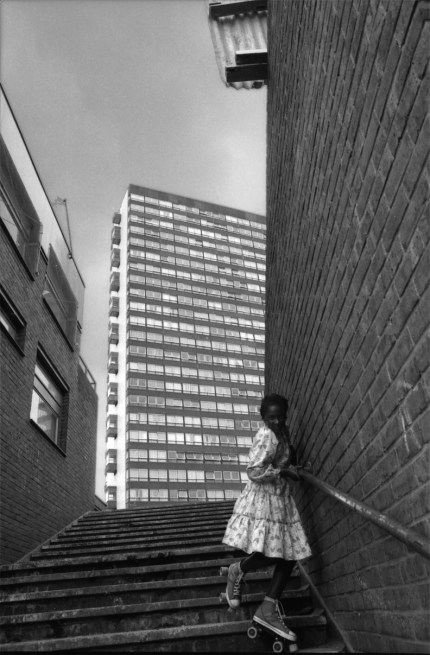
This shot was taken at Eddystone House on the Pepys Estate in Deptford, south-east London. I was the photographer for the Albany Summer Playscheme just after the 1981 Brixton riots. We had just finished our two days on site, helping the local kids in their production: ‘The Funky Riot’, a musical on roller skates.
Of all the skaters, the girl in the dress was the most agile and twirliest, and knew it.
We had finished the project (after a swift re-write when the council heard about the word ‘riot’ in title) and were packing the van  when I noticed our prima-ballerina trying to go downstairs on her skates like Bambi on ice, and obviously feeling taken down a peg.
Even the raw beginner I was then saw the potential in the scene, and luckily, I still had my new Zuiko 28mm lens fitted to the Olympus OM1, which I was still getting to know. I managed to expose two frames before she clicker-clacked to the bottom of the stairs, and was off in an embarrassed flurry of mauve and white petticoats.
I never got to find out who she was, or get her a print. I wish I could. Without the Albany, and the efforts of people like co-ordinator Jenny Harris, this image would not exist.

This week, I heard the sad news that Jenny Harris had died.  Jenny was a dynamic figure at the heart of Deptford’s cultural self-defence scene in the 1970’s and 80’s.  With her life-partner John Turner, she was largely responsible for the Albany Empire on Creek Road, and for establishing the New Albany out of the ashes of the old.

The Albany embodied life and fun in the middle of what was a bit of a concrete wasteland.  I’ve always fancied this shot managed to grab one moment which laid out the precarious relationship between the Deptford environment, and those born into it. The flower in the desert. Defying architecture and town planning by going downstairs in skates summed up the attitude of Jenny Turner’s Albany, and the improvisational spirit of the adventure playground movement it supported. I see this photograph as a small part of Jenny’s enduring legacy.
If you are the woman who was this Girl Descending a Staircase, or anyone who remembers this project, or any of the adventure playgrounds in Deptford at the time, please make contact.
I recently discovered that Tony Ray-Jones, one of my early heroes, had photographed this very estate some ten years earlier. Any memories of that time on Pepys Estate, when it was relatively new, would be extremely valuable

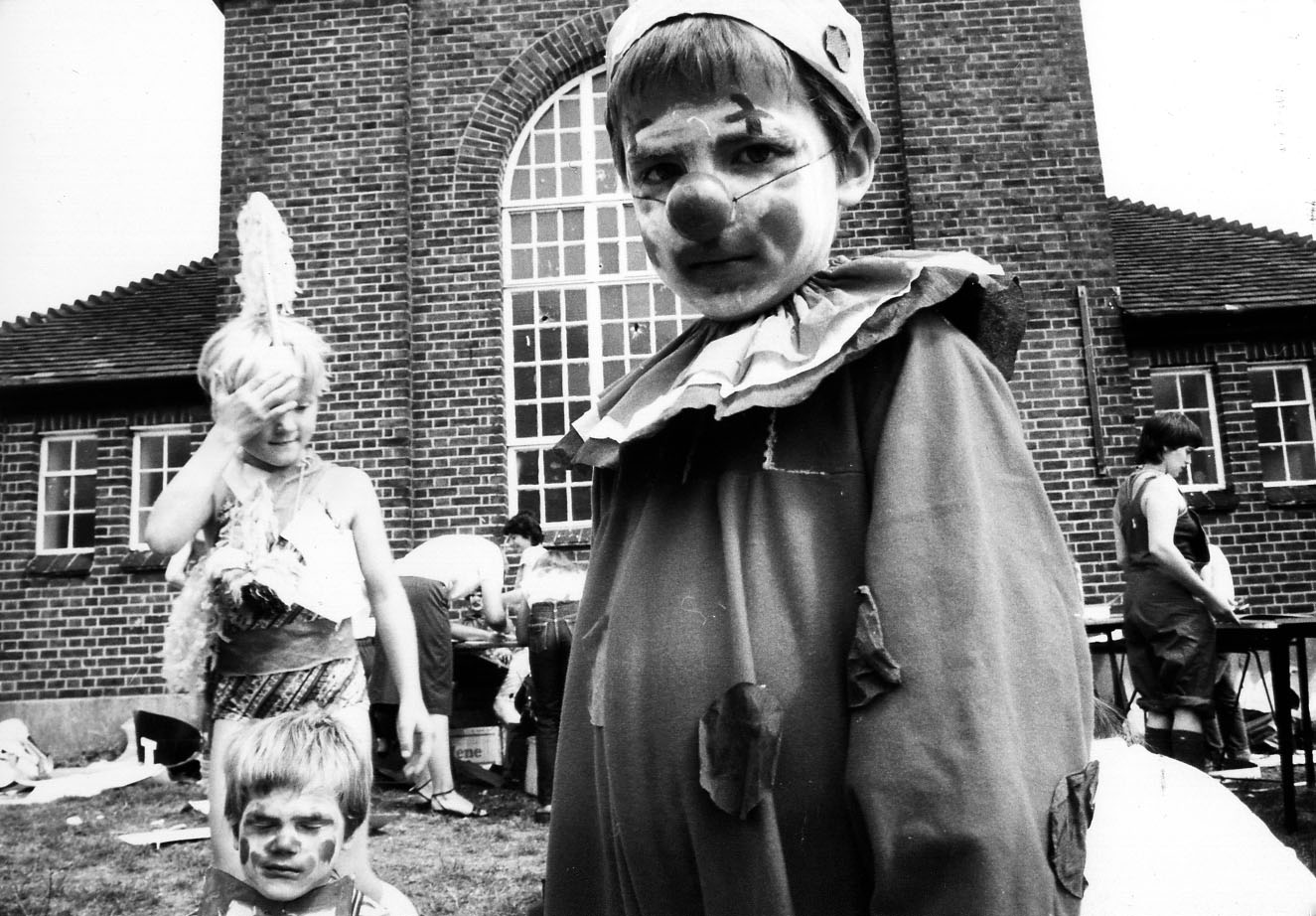
Eltham Playscheme. 1981.

Downham Park Playscheme. 1981.

Lewisham Womens’ Aid Refuge Playscheme. 1981.

Lewisham Womens’ Aid Refuge Playscheme. 1981

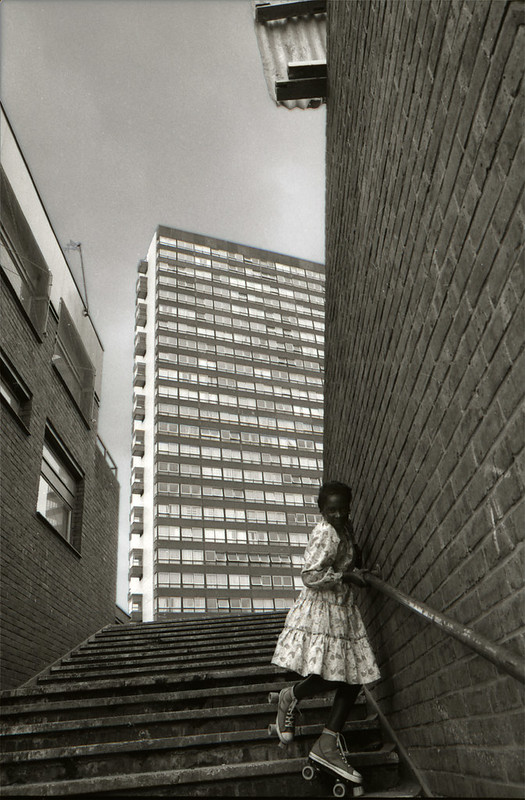
Eddystone House Now.

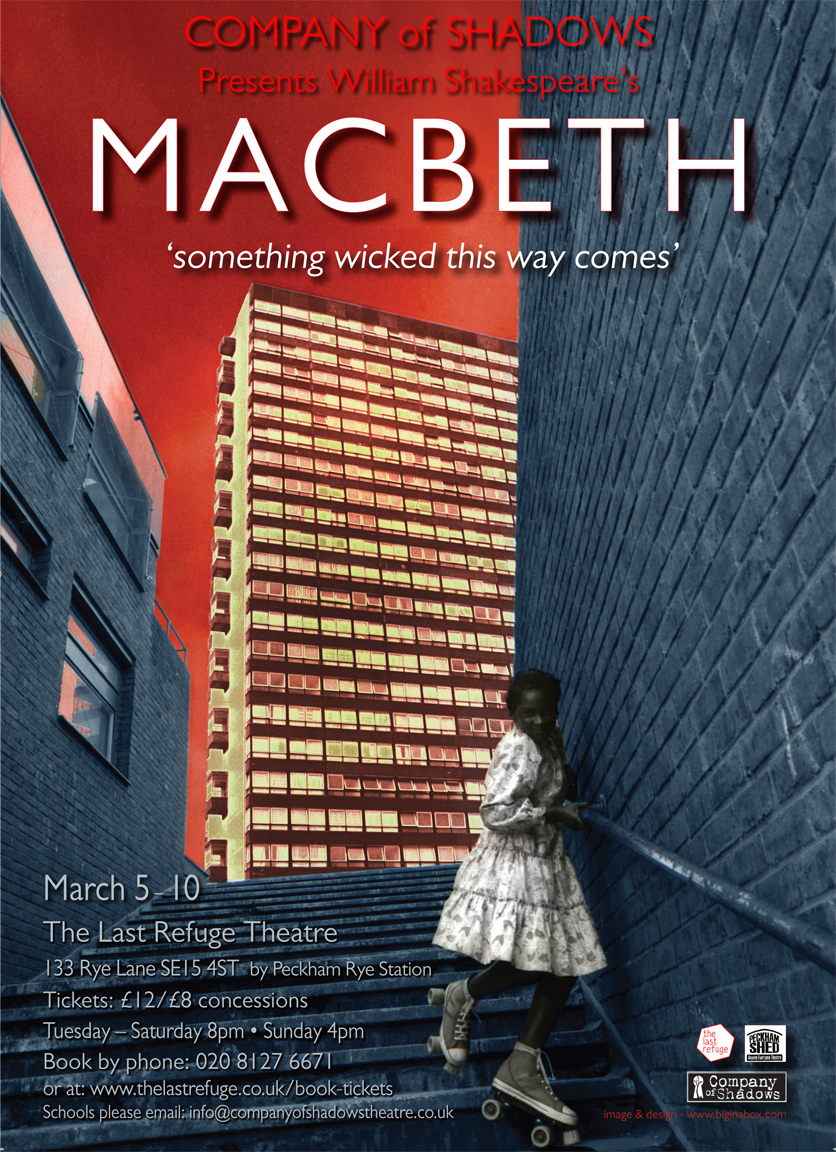
And an image finds a home. Jenny would be pleased I hope.

MACBETH A4 SCREEN

Company of Shadows presents Shakespeare’s Macbeth.

‘Set in a war torn community known as Scotland at a time when the gears of power are beginning to shift. Families struggle for survival, lords dominate the high-rises, and children possess insight and wisdom way beyond their years.
In this gruesome tragedy Macbeth and his wife, driven by fatalistic visions, are plunged deep into a future fed by bloody ambition.’

The Last Refuge Theatre
133 Rye Lane SE15 4ST by Peckham Rye Station
March 5 – 10 •
www.thelastrefuge.co.uk

see also: Macbeth in Peckham

More images of South-East London 1981 – present

Eddystone House. Deptford.

Welsh Water

Baptism. 1962. Afon Lliedi, Felinfoel, Llanelli, Carmarthenshire.

The Welsh were worshipping water before the Romans arrived, and long before Saint David was nicknamed ‘Aquitinus’ for his fondness for showering in waterfalls. What was this world which was only inhabitable for seconds before it killed you, but which was vital to all life? What force lay within it, dispensing death and life with either hand?
The fascination is hardly surprising given the amount which fell from the sky, and the number of rivers it drove to the sea. And the beautiful, dangerous mystery of the valleys it carved.
They continued to worship it when they needed to root their new religious identity in the landscape, and when the  rivers exposed the coal and iron which then industrialised the valleys, and burned and blackened them, and sent the people underground. More than ever they turned to the purifying magic of water for comfort and music. The language itself seems to mimic the sound of a stream in spring. A giver of life.

The baptismal pool above was built by Adulam, one of the oldest baptist chapels on record, starting life in 1660 as the barely legal Capel Newydd.

(CTD)


I only remember one ceremony. And at nine or ten I wasn’t especially interested. But it nevertheless made a strong impression. The bridge was crowded with the Adulam congregation and passers by. And on the bank, they sat on benches made of railway sleepers, all dressed in their Sunday best. The sluice gate had been closed the day before to provide enough water for the immersion, but not long enough to allow the eels to gather. The Lliedi had lots of eels. Eels must be another pagan symbol of something, surely?
The minister spoke the service, with the supplicant ready and respectful. When finished, he and his assistant gently lowered her under the rather dirty water, and up again, but not too quickly. The congregation, as I remember, then burst into one of my favourite hymns. ‘Gwyhoeddiad’, better known as  ‘Mi Glywaf Dyner Lais’. ‘Wash me in the blood that flows from Calvary.’
I didn’t know it then, but I was watching an exact metaphor of the working lives of much of South Wales. I was watching the tempering or quenching of the hot, adolescent steel, transforming it from a dangerous, unmanageable spirit into a malleable, useful member of society. A brand plucked from the burning and forged into a weapon for Christian war, or a tool for Christian industry.
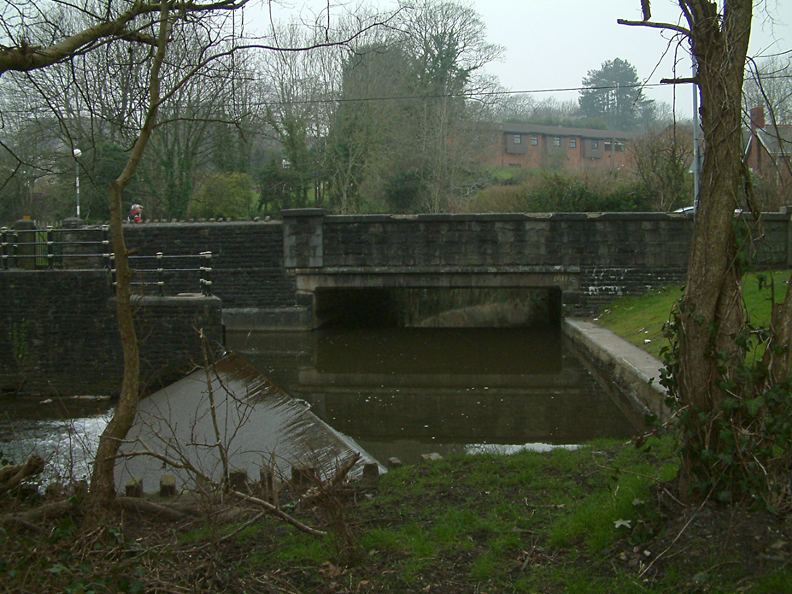
The Felinfoel pool is under the bridge, almost equal distances from the nearest mine, forge, quarry, watermill, brewery, rugby pitch, baptist chapel, with the Co-op across the road. Just how much Welsh symbolism can one stretch of water bear?
My mother tells the story of how they had to break the ice when she was baptised. When she died, we naturally offered her ashes to the river. Only months before the ceremony above, the minister performing a baptism had died while at his work. The miners and steelworkers of south Wales were not the only victims of industrial accidents.
But in spite, or because of the pain, the poetry of welsh water is always there. Not least in Revered Eli Jenkins anthem to Welsh grandeur and beauty:

‘By Sawdde, Senny, Dovey, Dee,
Edw, Eden, Aled, all,
Taff and Towy broad and free,
Llyfnant with its waterfall,
Claerwen, Cleddau, Dulais, Daw,
Ely, Gwili, Ogwr, Nedd,
Small is our River Dewi, Lord,
A baby on a rushy bed…’

Pedestrian

People, the city, and the camera.

Under Milk Wood Rehearsals

Under Milk Wood Rehearsals, a set on Flickr.

The London Theatre, New Cross, London.

Review

Craft Skills

Community Education Lewisham. Tutor Demonstrations. 14/2/2012

This slideshow requires JavaScript.

Industrial Rugby 1958

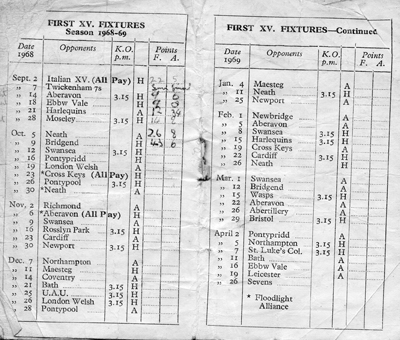
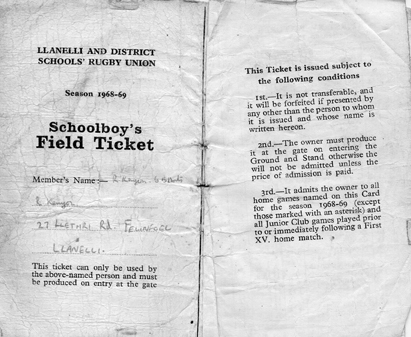
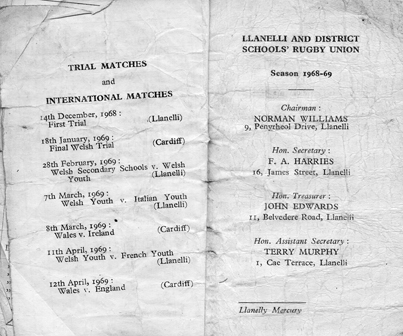
Schoolboy Season Ticket 1968/9


It’s a black wet night and all around are big dark wet men with glowing red fires in their mouths and blue smoke coming from their noses which rises up sparkling with rain in the blazing white glare of the floodlights. A massive green sea underhangs the crowd and even bigger men in red are flying over it like huge birds diving for fish. I’m six years old and sitting on my father’s shoulders and going out of my mind with excitement at the colour and the sound and smell of the joy of thousands of men watching rugby at Stradey Park.

Any event packed with as much sheer stimulation as this will tend to have a lasting effect on a young mind. But not every child had the chance of hearing the sentence ‘He works with you, doesn’t he?’ addressed to his father about one of the players he worshipped. And this was a fairly common experience for boys in Stradey Park, and The Gnoll and all the other homes of industrial amateur rugby. So the gods of the pitch had something in common with our fathers. They were the same sort of human being. Which can only have been a good thing.
Sport for us meant rugby. The heroism of the muddy. As soon as I saw an image of a scrum half in a flying dive pass, I knew I wanted to play rugby, and as soon as I entered primary school at the age of 7 or 8 I wanted boots and a ball for Xmas and my birthday – which were’nt too far apart. And Boxing day saw me flailing to place kick in Felinfoel Park, as I knew the great Terry Davies did, who even used to date my big sister at one time. And as our next door neighbour Bryn (‘Bunny’) Stephens was a Llanelli scrum half at one time, I felt if not obliged, then genuinely authorised to get very muddy indeed.
My first boots were leather-studded, and the Children’s Encyclopaedia of Knowledge (another Xmas present) advised the use of dubbin after every match, rubbed well into the ‘welts’. This was a whole new world.

‘Benny’

When I was 8 or 9, a club rep appeared at our school plugging season tickets – as the man from the library had a few weeks earlier. Once I had mine, Wednesday nights offered a mid-week to look forward to, and no Saturday was complete without a match at Stradey against Neath or Richmond or Cross Keys, to watch the brilliant Phil Bennet do things with space and time and a rugby ball which have never been seen since, and which he seldom approached in his televised career, and the laws of which are only now being truly investigated by scientists in a massive hole in the ground in Switzerland.
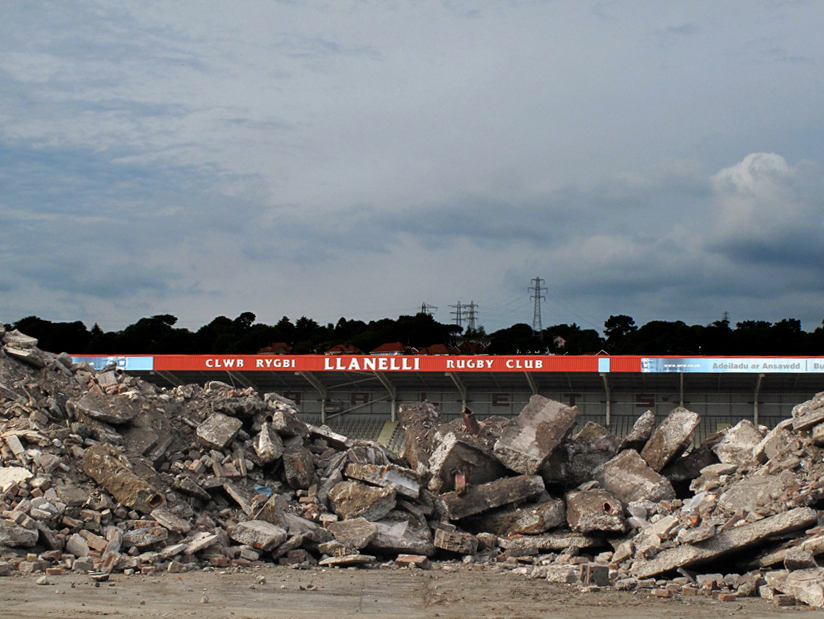
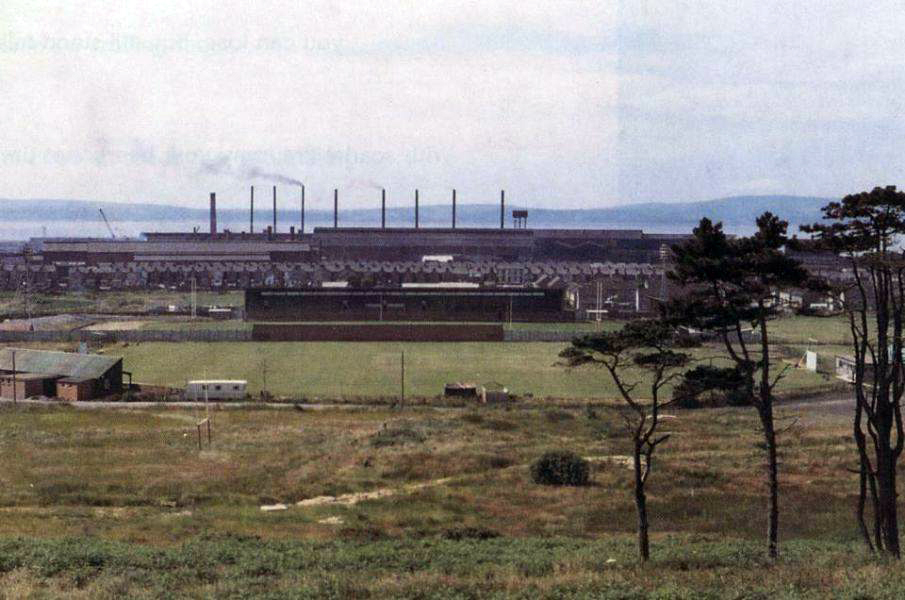
We may have gone home from the match to eat our tea and watch Doctor Who, but Benny was definitely Doctor Where? We all attempted to imitate him through the exiting multitudes in the cinder-crunchy Stradey car-park, much to everyone’s annoyance. But it’s not impossible that a few tries were rehearsed then and there, or even a few careers forged on that surface in the rain. Stradey Park and the Tanner Bank were founded on the waste from the Matriarchal  steelworks which glowered in the distance, and grew out of the same shared experience of those who worked there, and in related industries.

Other boys of that time will also remember the half-time autograph-dash at the two teams eating oranges and talking tactics on the half way line. I wasn’t a great collector, but I’m sure I got some great players like Onllwyn Brace, Ray Williams, Ken Jones and Robert Morgan before losing or trading my book.
Some may even remember the rigorous international ticket allocation system, which involved the teenager, in my case, walking down the Mynydd Mawr railway from Felinfoel to club secretary Elvet Jones‘ front door in Pentrepoeth Road,  knocking on it, and asking. Then paying the face value.

Boxing Day

The traditional opponents for Llanelli on the sluggish day after Xmas were often London Welsh. The glamorous exiles who’d left to become teachers and accountants and lawyers, living in the west London Taff-belt within easy reach of Paddington station and Brunel’s escape route, just in case. The local boys made good, who’d studied hard and ate all their vegetables.
At the time, they were the Kings across the bridge of Welsh rugby. Pretenders to the throne who also saw themselves as the brains of the Welsh team. whereas we knew that the heart of rugby was, and always would be, Stradey Park.
They saw us as hairy cave-dwellers who’d sacrificed the eldest virgin of the tribe at the winter solstice and were still recovering from the party. Invading our temple was an obligation. A White Man’s Burden, to them. A Christian gift to the pagans.
They were perfect for us. Those games were some of the most entertaining I’ve ever seen. Not for the technical connoisseur, perhaps, and definitely not for the fanatical victory hound, but great fun, and in the best sporting and seasonal spirit. An escape from the usual serious business of winning the Welsh club championship or Floodlight Alliance or Welsh Cup, which is what Xmas should be. Anything involving any significant prestige, such as a local derby, would have been a shame.

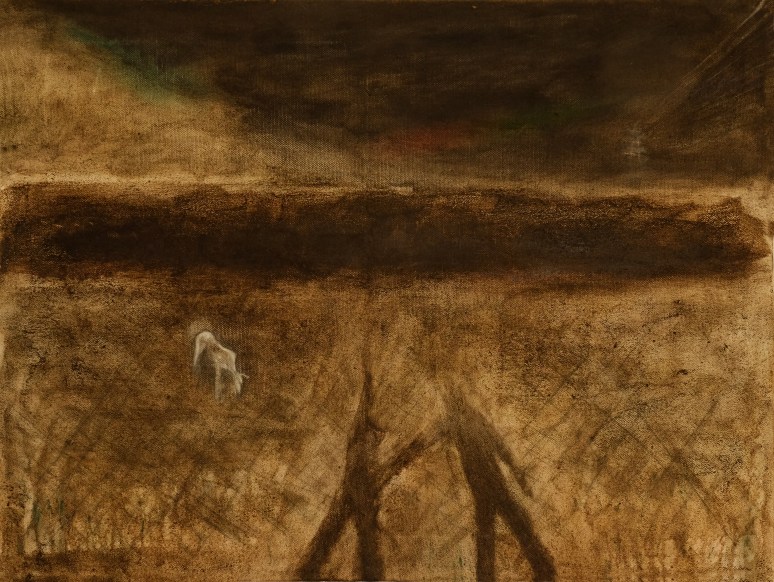
Stradey Park 1958

Stradey Park 2010

Medium. Stradey Park Steelworks slag and linseed oil on canvas.

Stradey Park 2010

XIMG_5423 SCREEN

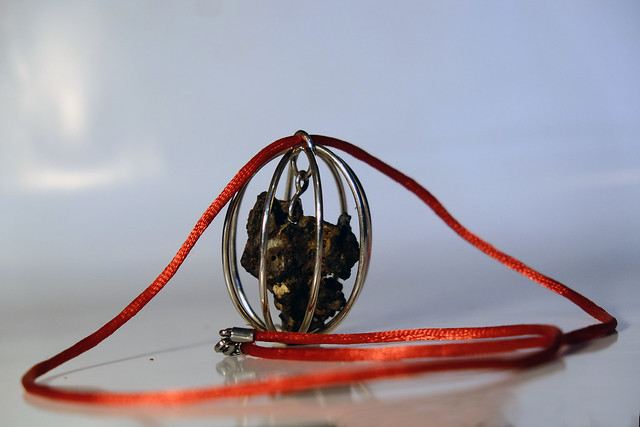
Stradey Park steelworks slag in steel cage

Stradey Park slag encased in Rugby Ball.
.Stradey Park from the North.

Saif Gadaffi’s London Pad

Winnington Close, London, N2
This designer tomb is just what you’d expect from a total control freak who believed he was Divinely Ordained. See the ‘Heavenly Vaults’ with stars above. And the marbled Pharonic symmetry everywhere. A centrally heated Mausoleum for a death-worshipping cult. A cross between an operating theatre, a laboratory and a morgue. You expect to see gutters and a drain in the floor for the fluids.

This slideshow requires JavaScript.

Gleision Pit Dilemma

‘Why do we still send humans down mines?’ Because of a marketable product and mass unemployment. And no red tape.
In English ‘gleision’ means ‘whey’ – as in curds and. This will probably describe the manner in which the local spring seeps out of the earth, or possibly the taste or colour of the water. And ‘gleisiad’ are young salmon. But whatever the poetry, it is all about water. The entire area and culture is shaped by water. But even now, after everything it has done, it is still profitable to ignore it.
The news-feeds and politicians are very quick to invoke the ‘community spirit’ of the coalfieds, though none has yet gone as far as mentioning Senghenydd or Aberfan. This is to glorify these dirty, unnecessary deaths and excuse the causes. This hardy, stoical, almost primordial Welsh identity is what the media plug into for want of any other, especially in the industrial south. 

In truth, the Welsh identity is as elusive to the Welsh themselves as to the rest of the world. Economic collapse and the failure of regeneration has almost guaranteed this insecurity. The danger therefore exists of cultural feedback, whereby Wales defines itself by its stereotype, which could lead more young men to return underground in order to retain some sense of group identity, and with it their personal dignity – the original class dilemma rearing its head in another direction.
Those tempted should remember the fatalistic old collier’s folk ditty, in the traditional Wenglish of the valleys.

‘I am a little collier and I gweithi* underground

The raff * will never torri* when I go up and down

It’s bara* when I’m hungry

And cwrw* when I’m dry

It’s gweili* when I’m tired

And Nefoedd* when I die’

The tragedy of the four dead men was, inevitably, less real to me than the issues it raises. The immediate lapse into How green was My bloody Valley and Huw Edwards invoking Senghenhydd with bloody Calon Lan playing in the background made me seethe with anger and embarrassment. The heroic, pious, oaken colliers firing the turbines of the Royal Navy. Acknowledged now as the pit-props and ponies of Empire. And their precious, quaint, black-shawled, slow black, coal black, minor chord community choruses of unintelligible pain.. Very telegenic. Community my arse. It makes me want to puke. The reality is that many small towns in post-industrial south wales are no better than people traps. Which is why when there is a chance for their young men, especially, to earn some cash, and play some sort of role, the danger is immaterial. The ability to claim a clear identity is worth as much as the pay. As is the undoubted and vital communal bond between miners. Fellowship.
But Britannia doesn’t rule the waves any more, even if the price of anthracite is nice and high at the moment. And so the collier today, especially in the kind of casual drift mine I used to play in as a little boy, is little more than a paid member of a historical re-enactment society. He is not the hero of anyone’s fantasies. The Welsh working class, which it took the British army to quell – more than once – and which went on to create the National Health Service, is brought to this ridiculous parody of itself, like an ancient sacrifice to the Spring.

One Day In Town

Llanelli. 19 th October. 2011.

This slideshow requires JavaScript.